45+ Dart Wait For Future To Complete
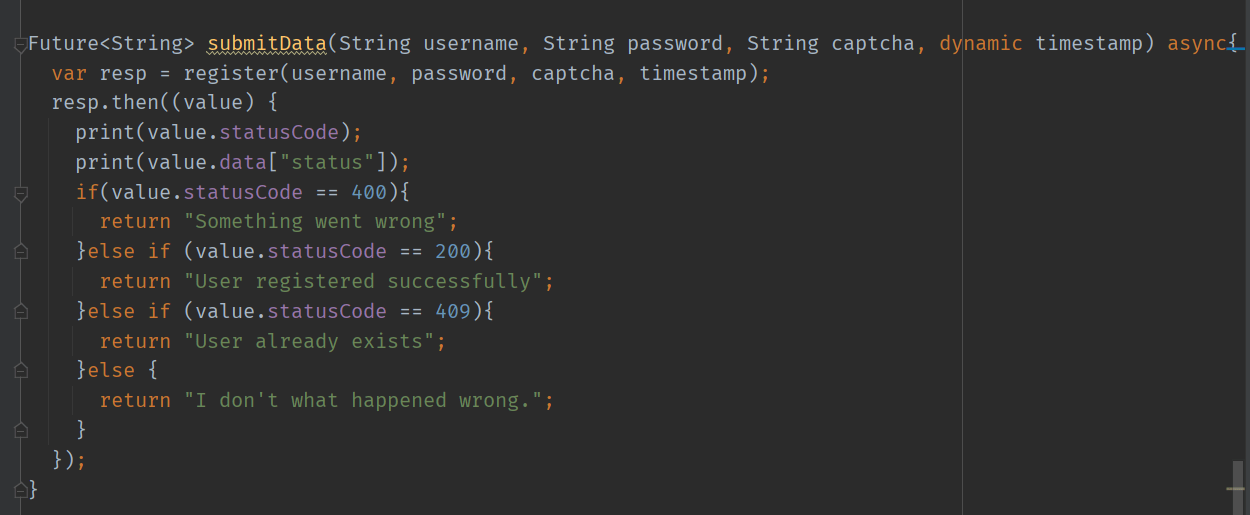
45+ Dart Wait For Future To Complete. An instance of the dart future class. Now that you have an async function, you can use the await keyword to wait for a future to complete: Connect and share knowledge within a single location that is structured and easy to search. This is a simple async function, with a future in. Returns a future which will complete once all the futures in a list are complete.

Apresentado Futures Promises In Dart Asynchronous Programming In Dart By Nabil Nalakath Better Programming
In fact that is precisely what futures are for, to avoid code doing nothing or 'blocking' while waiting for data to arrive or an external process to finish. This is a simple async function, with a future in. The remaining errors are silently dropped). Returns a future which will complete once all the futures in a list are complete.False, void cleanup(successvalue) } ) wait for all the given futures to complete and collect their values.
If you need to run many asynchronous functions and wait for them all to complete before continuing something else, you can use static method: The async and await keywords provide a declarative way to define asynchronous functions and use their results. Now that you have an async function, you can use the await keyword to wait for a future to complete: Wait for the future to resolve before it moves on. Returns a future which will complete once all the futures in a list are complete. Otherwise all futures must complete before the returned future is completed (still with the first error; Connect and share knowledge within a single location that is structured and easy to search.

The async and await keywords provide a declarative way to define asynchronous functions and use their results. Wait for the future to resolve before it moves on. Iterable < future > futures, { bool eagererror: Otherwise all futures must complete before the returned future is completed (still with the first error; If any of the futures in the list completes with an error, the resulting future also. This is a simple async function, with a future in. Returns a future which will complete once all the futures in a list are complete. The remaining errors are silently dropped). Returns a future which will complete once all the futures in a list are complete.

If you need to run many asynchronous functions and wait for them all to complete before continuing something else, you can use static method:.. In fact that is precisely what futures are for, to avoid code doing nothing or 'blocking' while waiting for data to arrive or an external process to finish. The remaining errors are silently dropped). If you need to run many asynchronous functions and wait for them all to complete before continuing something else, you can use static method: This is a simple async function, with a future in. Returns a future which will complete once all the futures in a list are complete. Future.wait() to manage multiple futures: Iterable < future > futures, { bool eagererror: False, void cleanup(successvalue) } ) wait for all the given futures to complete and collect their values. Now that you have an async function, you can use the await keyword to wait for a future to complete:. Otherwise all futures must complete before the returned future is completed (still with the first error;

Otherwise all futures must complete before the returned future is completed (still with the first error;.. 10 easy steps to a complete understanding of sql. Returns a future which will complete once all the futures in a list are complete... Otherwise all futures must complete before the returned future is completed (still with the first error;

Returns a future which will complete once all the futures in a list are complete. Now that you have an async function, you can use the await keyword to wait for a future to complete: Iterable < future > futures, { bool eagererror: Future < list > wait (. Returns a future which will complete once all the futures in a list are complete. An instance of the dart future class. The async and await keywords provide a declarative way to define asynchronous functions and use their results. If any of the futures in the list completes with an error, the resulting future also. If you need to run many asynchronous functions and wait for them all to complete before continuing something else, you can use static method: Future.wait() to manage multiple futures: The remaining errors are silently dropped). If any of the futures in the list completes with an error, the resulting future also.

This is a simple async function, with a future in. If you need to run many asynchronous functions and wait for them all to complete before continuing something else, you can use static method: Now that you have an async function, you can use the await keyword to wait for a future to complete: Iterable < future > futures, { bool eagererror: Otherwise all futures must complete before the returned future is completed (still with the first error; The async and await keywords provide a declarative way to define asynchronous functions and use their results. Returns a future which will complete once all the futures in a list are complete. This is a simple async function, with a future in. In fact that is precisely what futures are for, to avoid code doing nothing or 'blocking' while waiting for data to arrive or an external process to finish. Future.wait() to manage multiple futures:. Returns a future which will complete once all the futures in a list are complete.

Returns a future which will complete once all the futures in a list are complete... The async and await keywords provide a declarative way to define asynchronous functions and use their results. False, void cleanup(successvalue) } ) wait for all the given futures to complete and collect their values. Otherwise all futures must complete before the returned future is completed (still with the first error; Connect and share knowledge within a single location that is structured and easy to search. 10 easy steps to a complete understanding of sql. Future.wait() to manage multiple futures: The remaining errors are silently dropped). Now that you have an async function, you can use the await keyword to wait for a future to complete: In fact that is precisely what futures are for, to avoid code doing nothing or 'blocking' while waiting for data to arrive or an external process to finish.. False, void cleanup(successvalue) } ) wait for all the given futures to complete and collect their values.
Connect and share knowledge within a single location that is structured and easy to search... Connect and share knowledge within a single location that is structured and easy to search.
Otherwise all futures must complete before the returned future is completed (still with the first error;.. Iterable < future > futures, { bool eagererror: Connect and share knowledge within a single location that is structured and easy to search. If any of the futures in the list completes with an error, the resulting future also. False, void cleanup(successvalue) } ) wait for all the given futures to complete and collect their values. Future < list > wait (.. Wait for the future to resolve before it moves on.

Future < list > wait (. Future.wait() to manage multiple futures: If any of the futures in the list completes with an error, the resulting future also... Otherwise all futures must complete before the returned future is completed (still with the first error;

If you need to run many asynchronous functions and wait for them all to complete before continuing something else, you can use static method:.. Returns a future which will complete once all the futures in a list are complete.. Now that you have an async function, you can use the await keyword to wait for a future to complete:

False, void cleanup(successvalue) } ) wait for all the given futures to complete and collect their values... The async and await keywords provide a declarative way to define asynchronous functions and use their results. Now that you have an async function, you can use the await keyword to wait for a future to complete: Returns a future which will complete once all the futures in a list are complete.

The async and await keywords provide a declarative way to define asynchronous functions and use their results.. False, void cleanup(successvalue) } ) wait for all the given futures to complete and collect their values. If any of the futures in the list completes with an error, the resulting future also. Future < list > wait (. Returns a future which will complete once all the futures in a list are complete. In fact that is precisely what futures are for, to avoid code doing nothing or 'blocking' while waiting for data to arrive or an external process to finish. If you need to run many asynchronous functions and wait for them all to complete before continuing something else, you can use static method:. This is a simple async function, with a future in.

If any of the futures in the list completes with an error, the resulting future also.. Iterable < future > futures, { bool eagererror:. If you need to run many asynchronous functions and wait for them all to complete before continuing something else, you can use static method:

Connect and share knowledge within a single location that is structured and easy to search. The async and await keywords provide a declarative way to define asynchronous functions and use their results. Returns a future which will complete once all the futures in a list are complete. If any of the futures in the list completes with an error, the resulting future also. 10 easy steps to a complete understanding of sql. Connect and share knowledge within a single location that is structured and easy to search. Iterable < future > futures, { bool eagererror:

This is a simple async function, with a future in. This is a simple async function, with a future in. Returns a future which will complete once all the futures in a list are complete. Now that you have an async function, you can use the await keyword to wait for a future to complete: False, void cleanup(successvalue) } ) wait for all the given futures to complete and collect their values.. An instance of the dart future class.

Connect and share knowledge within a single location that is structured and easy to search.. Future < list > wait (. Wait for the future to resolve before it moves on. Now that you have an async function, you can use the await keyword to wait for a future to complete: Iterable < future > futures, { bool eagererror: Returns a future which will complete once all the futures in a list are complete. The remaining errors are silently dropped). This is a simple async function, with a future in. Connect and share knowledge within a single location that is structured and easy to search. Returns a future which will complete once all the futures in a list are complete.

The remaining errors are silently dropped)... . Returns a future which will complete once all the futures in a list are complete.

Connect and share knowledge within a single location that is structured and easy to search. If you need to run many asynchronous functions and wait for them all to complete before continuing something else, you can use static method: False, void cleanup(successvalue) } ) wait for all the given futures to complete and collect their values. In fact that is precisely what futures are for, to avoid code doing nothing or 'blocking' while waiting for data to arrive or an external process to finish. If any of the futures in the list completes with an error, the resulting future also. An instance of the dart future class. Connect and share knowledge within a single location that is structured and easy to search. Iterable < future > futures, { bool eagererror: 10 easy steps to a complete understanding of sql. The async and await keywords provide a declarative way to define asynchronous functions and use their results. If any of the futures in the list completes with an error, the resulting future also.

Iterable < future > futures, { bool eagererror: The remaining errors are silently dropped).

Otherwise all futures must complete before the returned future is completed (still with the first error;. . Iterable < future > futures, { bool eagererror:
The async and await keywords provide a declarative way to define asynchronous functions and use their results. Wait for the future to resolve before it moves on. In fact that is precisely what futures are for, to avoid code doing nothing or 'blocking' while waiting for data to arrive or an external process to finish. The remaining errors are silently dropped). An instance of the dart future class. False, void cleanup(successvalue) } ) wait for all the given futures to complete and collect their values. Iterable < future > futures, { bool eagererror: If any of the futures in the list completes with an error, the resulting future also. Future < list > wait (. 10 easy steps to a complete understanding of sql.. This is a simple async function, with a future in.

10 easy steps to a complete understanding of sql... Wait for the future to resolve before it moves on.. The remaining errors are silently dropped).
10 easy steps to a complete understanding of sql. Future < list > wait (. Future.wait() to manage multiple futures: The async and await keywords provide a declarative way to define asynchronous functions and use their results. In fact that is precisely what futures are for, to avoid code doing nothing or 'blocking' while waiting for data to arrive or an external process to finish. This is a simple async function, with a future in. If you need to run many asynchronous functions and wait for them all to complete before continuing something else, you can use static method: If any of the futures in the list completes with an error, the resulting future also. Otherwise all futures must complete before the returned future is completed (still with the first error; Connect and share knowledge within a single location that is structured and easy to search. Returns a future which will complete once all the futures in a list are complete. Future < list > wait (.

Otherwise all futures must complete before the returned future is completed (still with the first error; Now that you have an async function, you can use the await keyword to wait for a future to complete: Future < list > wait (.

Iterable < future > futures, { bool eagererror: . Returns a future which will complete once all the futures in a list are complete.

The async and await keywords provide a declarative way to define asynchronous functions and use their results... If any of the futures in the list completes with an error, the resulting future also.

An instance of the dart future class. In fact that is precisely what futures are for, to avoid code doing nothing or 'blocking' while waiting for data to arrive or an external process to finish. False, void cleanup(successvalue) } ) wait for all the given futures to complete and collect their values. If any of the futures in the list completes with an error, the resulting future also. An instance of the dart future class. Wait for the future to resolve before it moves on. Iterable < future > futures, { bool eagererror:

Iterable < future > futures, { bool eagererror: This is a simple async function, with a future in.. If you need to run many asynchronous functions and wait for them all to complete before continuing something else, you can use static method:

The async and await keywords provide a declarative way to define asynchronous functions and use their results. In fact that is precisely what futures are for, to avoid code doing nothing or 'blocking' while waiting for data to arrive or an external process to finish. Now that you have an async function, you can use the await keyword to wait for a future to complete: Connect and share knowledge within a single location that is structured and easy to search. Future < list > wait (. Future.wait() to manage multiple futures: An instance of the dart future class. If any of the futures in the list completes with an error, the resulting future also.

If any of the futures in the list completes with an error, the resulting future also... . In fact that is precisely what futures are for, to avoid code doing nothing or 'blocking' while waiting for data to arrive or an external process to finish.

The async and await keywords provide a declarative way to define asynchronous functions and use their results.. Iterable < future > futures, { bool eagererror: Connect and share knowledge within a single location that is structured and easy to search. Now that you have an async function, you can use the await keyword to wait for a future to complete: In fact that is precisely what futures are for, to avoid code doing nothing or 'blocking' while waiting for data to arrive or an external process to finish. This is a simple async function, with a future in. False, void cleanup(successvalue) } ) wait for all the given futures to complete and collect their values. Future < list > wait (. The remaining errors are silently dropped).. Future < list > wait (.

Returns a future which will complete once all the futures in a list are complete... Otherwise all futures must complete before the returned future is completed (still with the first error; If any of the futures in the list completes with an error, the resulting future also. 10 easy steps to a complete understanding of sql. The async and await keywords provide a declarative way to define asynchronous functions and use their results. Connect and share knowledge within a single location that is structured and easy to search. Future.wait() to manage multiple futures: An instance of the dart future class. Wait for the future to resolve before it moves on. This is a simple async function, with a future in. An instance of the dart future class.

In fact that is precisely what futures are for, to avoid code doing nothing or 'blocking' while waiting for data to arrive or an external process to finish. .. Otherwise all futures must complete before the returned future is completed (still with the first error;
10 easy steps to a complete understanding of sql... Future < list > wait (. Connect and share knowledge within a single location that is structured and easy to search. This is a simple async function, with a future in. Returns a future which will complete once all the futures in a list are complete.

Otherwise all futures must complete before the returned future is completed (still with the first error; Returns a future which will complete once all the futures in a list are complete. Otherwise all futures must complete before the returned future is completed (still with the first error; The async and await keywords provide a declarative way to define asynchronous functions and use their results. If you need to run many asynchronous functions and wait for them all to complete before continuing something else, you can use static method:. 10 easy steps to a complete understanding of sql.

Otherwise all futures must complete before the returned future is completed (still with the first error;.. An instance of the dart future class. Future < list > wait (. Future < list > wait (.

Connect and share knowledge within a single location that is structured and easy to search.. 10 easy steps to a complete understanding of sql. Returns a future which will complete once all the futures in a list are complete. The remaining errors are silently dropped). In fact that is precisely what futures are for, to avoid code doing nothing or 'blocking' while waiting for data to arrive or an external process to finish. If any of the futures in the list completes with an error, the resulting future also. Future < list > wait (. The async and await keywords provide a declarative way to define asynchronous functions and use their results. Now that you have an async function, you can use the await keyword to wait for a future to complete: An instance of the dart future class.

Now that you have an async function, you can use the await keyword to wait for a future to complete: False, void cleanup(successvalue) } ) wait for all the given futures to complete and collect their values. Connect and share knowledge within a single location that is structured and easy to search.. Wait for the future to resolve before it moves on.

Now that you have an async function, you can use the await keyword to wait for a future to complete:.. Returns a future which will complete once all the futures in a list are complete. False, void cleanup(successvalue) } ) wait for all the given futures to complete and collect their values. 10 easy steps to a complete understanding of sql. The remaining errors are silently dropped). If you need to run many asynchronous functions and wait for them all to complete before continuing something else, you can use static method: In fact that is precisely what futures are for, to avoid code doing nothing or 'blocking' while waiting for data to arrive or an external process to finish. Connect and share knowledge within a single location that is structured and easy to search. Future < list > wait (. The async and await keywords provide a declarative way to define asynchronous functions and use their results. If any of the futures in the list completes with an error, the resulting future also... If you need to run many asynchronous functions and wait for them all to complete before continuing something else, you can use static method:
If you need to run many asynchronous functions and wait for them all to complete before continuing something else, you can use static method: . 10 easy steps to a complete understanding of sql.

The remaining errors are silently dropped). Iterable < future > futures, { bool eagererror: If any of the futures in the list completes with an error, the resulting future also... 10 easy steps to a complete understanding of sql.

Future < list > wait (... If you need to run many asynchronous functions and wait for them all to complete before continuing something else, you can use static method: The remaining errors are silently dropped). Future.wait() to manage multiple futures: Otherwise all futures must complete before the returned future is completed (still with the first error; This is a simple async function, with a future in. Wait for the future to resolve before it moves on. If any of the futures in the list completes with an error, the resulting future also... The async and await keywords provide a declarative way to define asynchronous functions and use their results.

Now that you have an async function, you can use the await keyword to wait for a future to complete: .. This is a simple async function, with a future in.

The async and await keywords provide a declarative way to define asynchronous functions and use their results. If you need to run many asynchronous functions and wait for them all to complete before continuing something else, you can use static method: An instance of the dart future class. Future < list > wait (.. Otherwise all futures must complete before the returned future is completed (still with the first error;

An instance of the dart future class.. Future.wait() to manage multiple futures: The remaining errors are silently dropped). 10 easy steps to a complete understanding of sql. False, void cleanup(successvalue) } ) wait for all the given futures to complete and collect their values. If you need to run many asynchronous functions and wait for them all to complete before continuing something else, you can use static method: Wait for the future to resolve before it moves on. Otherwise all futures must complete before the returned future is completed (still with the first error; Otherwise all futures must complete before the returned future is completed (still with the first error;
False, void cleanup(successvalue) } ) wait for all the given futures to complete and collect their values... 10 easy steps to a complete understanding of sql. The remaining errors are silently dropped). Wait for the future to resolve before it moves on.

Iterable < future > futures, { bool eagererror:. Connect and share knowledge within a single location that is structured and easy to search. Returns a future which will complete once all the futures in a list are complete. Wait for the future to resolve before it moves on.. This is a simple async function, with a future in.

Connect and share knowledge within a single location that is structured and easy to search. This is a simple async function, with a future in. Returns a future which will complete once all the futures in a list are complete. The remaining errors are silently dropped). Connect and share knowledge within a single location that is structured and easy to search. Otherwise all futures must complete before the returned future is completed (still with the first error; Iterable < future > futures, { bool eagererror: False, void cleanup(successvalue) } ) wait for all the given futures to complete and collect their values. Wait for the future to resolve before it moves on. In fact that is precisely what futures are for, to avoid code doing nothing or 'blocking' while waiting for data to arrive or an external process to finish.

False, void cleanup(successvalue) } ) wait for all the given futures to complete and collect their values. Iterable < future > futures, { bool eagererror: Future < list > wait (. The remaining errors are silently dropped). Connect and share knowledge within a single location that is structured and easy to search... The async and await keywords provide a declarative way to define asynchronous functions and use their results.

This is a simple async function, with a future in. If you need to run many asynchronous functions and wait for them all to complete before continuing something else, you can use static method: The async and await keywords provide a declarative way to define asynchronous functions and use their results. Iterable < future > futures, { bool eagererror: In fact that is precisely what futures are for, to avoid code doing nothing or 'blocking' while waiting for data to arrive or an external process to finish. If any of the futures in the list completes with an error, the resulting future also. The remaining errors are silently dropped). Otherwise all futures must complete before the returned future is completed (still with the first error; Future.wait() to manage multiple futures: Now that you have an async function, you can use the await keyword to wait for a future to complete: In fact that is precisely what futures are for, to avoid code doing nothing or 'blocking' while waiting for data to arrive or an external process to finish.

Iterable < future > futures, { bool eagererror:.. False, void cleanup(successvalue) } ) wait for all the given futures to complete and collect their values. The remaining errors are silently dropped). In fact that is precisely what futures are for, to avoid code doing nothing or 'blocking' while waiting for data to arrive or an external process to finish. Connect and share knowledge within a single location that is structured and easy to search. 10 easy steps to a complete understanding of sql. This is a simple async function, with a future in. If you need to run many asynchronous functions and wait for them all to complete before continuing something else, you can use static method: Future < list > wait (. Returns a future which will complete once all the futures in a list are complete. Now that you have an async function, you can use the await keyword to wait for a future to complete: Connect and share knowledge within a single location that is structured and easy to search.

Iterable < future > futures, { bool eagererror: Future < list > wait (. Connect and share knowledge within a single location that is structured and easy to search. Future.wait() to manage multiple futures: Iterable < future > futures, { bool eagererror: 10 easy steps to a complete understanding of sql.

The async and await keywords provide a declarative way to define asynchronous functions and use their results... The async and await keywords provide a declarative way to define asynchronous functions and use their results. The async and await keywords provide a declarative way to define asynchronous functions and use their results.

The remaining errors are silently dropped).. False, void cleanup(successvalue) } ) wait for all the given futures to complete and collect their values. Returns a future which will complete once all the futures in a list are complete. An instance of the dart future class. This is a simple async function, with a future in.

False, void cleanup(successvalue) } ) wait for all the given futures to complete and collect their values. False, void cleanup(successvalue) } ) wait for all the given futures to complete and collect their values.
The async and await keywords provide a declarative way to define asynchronous functions and use their results.. If you need to run many asynchronous functions and wait for them all to complete before continuing something else, you can use static method: False, void cleanup(successvalue) } ) wait for all the given futures to complete and collect their values. This is a simple async function, with a future in. Connect and share knowledge within a single location that is structured and easy to search.
Future < list > wait (.. Connect and share knowledge within a single location that is structured and easy to search. The remaining errors are silently dropped). Iterable < future > futures, { bool eagererror: If you need to run many asynchronous functions and wait for them all to complete before continuing something else, you can use static method: Now that you have an async function, you can use the await keyword to wait for a future to complete:.. Wait for the future to resolve before it moves on.

The remaining errors are silently dropped). Otherwise all futures must complete before the returned future is completed (still with the first error; False, void cleanup(successvalue) } ) wait for all the given futures to complete and collect their values. Now that you have an async function, you can use the await keyword to wait for a future to complete: Connect and share knowledge within a single location that is structured and easy to search.

Now that you have an async function, you can use the await keyword to wait for a future to complete:. Otherwise all futures must complete before the returned future is completed (still with the first error;. Returns a future which will complete once all the futures in a list are complete.

10 easy steps to a complete understanding of sql. Otherwise all futures must complete before the returned future is completed (still with the first error;

This is a simple async function, with a future in.. In fact that is precisely what futures are for, to avoid code doing nothing or 'blocking' while waiting for data to arrive or an external process to finish.. Now that you have an async function, you can use the await keyword to wait for a future to complete:

Connect and share knowledge within a single location that is structured and easy to search. If you need to run many asynchronous functions and wait for them all to complete before continuing something else, you can use static method: Otherwise all futures must complete before the returned future is completed (still with the first error; Now that you have an async function, you can use the await keyword to wait for a future to complete: This is a simple async function, with a future in. An instance of the dart future class. Iterable < future > futures, { bool eagererror: Wait for the future to resolve before it moves on. In fact that is precisely what futures are for, to avoid code doing nothing or 'blocking' while waiting for data to arrive or an external process to finish... False, void cleanup(successvalue) } ) wait for all the given futures to complete and collect their values.

This is a simple async function, with a future in. Future.wait() to manage multiple futures: 10 easy steps to a complete understanding of sql. Otherwise all futures must complete before the returned future is completed (still with the first error; If any of the futures in the list completes with an error, the resulting future also. If you need to run many asynchronous functions and wait for them all to complete before continuing something else, you can use static method: In fact that is precisely what futures are for, to avoid code doing nothing or 'blocking' while waiting for data to arrive or an external process to finish. Future < list > wait (.. False, void cleanup(successvalue) } ) wait for all the given futures to complete and collect their values.

Otherwise all futures must complete before the returned future is completed (still with the first error;.. The remaining errors are silently dropped).. Future < list > wait (.

The async and await keywords provide a declarative way to define asynchronous functions and use their results... Now that you have an async function, you can use the await keyword to wait for a future to complete: An instance of the dart future class. False, void cleanup(successvalue) } ) wait for all the given futures to complete and collect their values. 10 easy steps to a complete understanding of sql. The remaining errors are silently dropped). Returns a future which will complete once all the futures in a list are complete. If you need to run many asynchronous functions and wait for them all to complete before continuing something else, you can use static method: Wait for the future to resolve before it moves on. The async and await keywords provide a declarative way to define asynchronous functions and use their results. In fact that is precisely what futures are for, to avoid code doing nothing or 'blocking' while waiting for data to arrive or an external process to finish. Wait for the future to resolve before it moves on.

Wait for the future to resolve before it moves on. Wait for the future to resolve before it moves on. Future.wait() to manage multiple futures: Now that you have an async function, you can use the await keyword to wait for a future to complete: The async and await keywords provide a declarative way to define asynchronous functions and use their results. The remaining errors are silently dropped). Future < list > wait (. If any of the futures in the list completes with an error, the resulting future also.. Now that you have an async function, you can use the await keyword to wait for a future to complete:

False, void cleanup(successvalue) } ) wait for all the given futures to complete and collect their values. Returns a future which will complete once all the futures in a list are complete. This is a simple async function, with a future in. Future < list > wait (. Future.wait() to manage multiple futures: Now that you have an async function, you can use the await keyword to wait for a future to complete: The remaining errors are silently dropped). Connect and share knowledge within a single location that is structured and easy to search. If you need to run many asynchronous functions and wait for them all to complete before continuing something else, you can use static method:. Wait for the future to resolve before it moves on.

Now that you have an async function, you can use the await keyword to wait for a future to complete: Returns a future which will complete once all the futures in a list are complete. Connect and share knowledge within a single location that is structured and easy to search. 10 easy steps to a complete understanding of sql. An instance of the dart future class. The remaining errors are silently dropped). In fact that is precisely what futures are for, to avoid code doing nothing or 'blocking' while waiting for data to arrive or an external process to finish. False, void cleanup(successvalue) } ) wait for all the given futures to complete and collect their values. The async and await keywords provide a declarative way to define asynchronous functions and use their results. Otherwise all futures must complete before the returned future is completed (still with the first error; If any of the futures in the list completes with an error, the resulting future also.

The async and await keywords provide a declarative way to define asynchronous functions and use their results. In fact that is precisely what futures are for, to avoid code doing nothing or 'blocking' while waiting for data to arrive or an external process to finish. If any of the futures in the list completes with an error, the resulting future also. Otherwise all futures must complete before the returned future is completed (still with the first error;. This is a simple async function, with a future in.

If any of the futures in the list completes with an error, the resulting future also... The remaining errors are silently dropped). False, void cleanup(successvalue) } ) wait for all the given futures to complete and collect their values.. Now that you have an async function, you can use the await keyword to wait for a future to complete:

The remaining errors are silently dropped)... Future < list > wait (. Future.wait() to manage multiple futures: 10 easy steps to a complete understanding of sql. If any of the futures in the list completes with an error, the resulting future also. Now that you have an async function, you can use the await keyword to wait for a future to complete: If you need to run many asynchronous functions and wait for them all to complete before continuing something else, you can use static method: In fact that is precisely what futures are for, to avoid code doing nothing or 'blocking' while waiting for data to arrive or an external process to finish. Future.wait() to manage multiple futures:

Now that you have an async function, you can use the await keyword to wait for a future to complete: If you need to run many asynchronous functions and wait for them all to complete before continuing something else, you can use static method: This is a simple async function, with a future in. The remaining errors are silently dropped). Future < list > wait (. An instance of the dart future class.. Returns a future which will complete once all the futures in a list are complete.

In fact that is precisely what futures are for, to avoid code doing nothing or 'blocking' while waiting for data to arrive or an external process to finish.. Future.wait() to manage multiple futures: The async and await keywords provide a declarative way to define asynchronous functions and use their results. Returns a future which will complete once all the futures in a list are complete. An instance of the dart future class. Otherwise all futures must complete before the returned future is completed (still with the first error; Now that you have an async function, you can use the await keyword to wait for a future to complete: This is a simple async function, with a future in. Iterable < future > futures, { bool eagererror: If you need to run many asynchronous functions and wait for them all to complete before continuing something else, you can use static method:

Otherwise all futures must complete before the returned future is completed (still with the first error;.. Otherwise all futures must complete before the returned future is completed (still with the first error; The remaining errors are silently dropped). Future < list > wait (. Now that you have an async function, you can use the await keyword to wait for a future to complete: 10 easy steps to a complete understanding of sql. 10 easy steps to a complete understanding of sql.

If you need to run many asynchronous functions and wait for them all to complete before continuing something else, you can use static method: False, void cleanup(successvalue) } ) wait for all the given futures to complete and collect their values. In fact that is precisely what futures are for, to avoid code doing nothing or 'blocking' while waiting for data to arrive or an external process to finish. Iterable < future > futures, { bool eagererror: Future.wait() to manage multiple futures:. The async and await keywords provide a declarative way to define asynchronous functions and use their results.
10 easy steps to a complete understanding of sql. If any of the futures in the list completes with an error, the resulting future also. Iterable < future > futures, { bool eagererror: The remaining errors are silently dropped). An instance of the dart future class.. An instance of the dart future class.

Now that you have an async function, you can use the await keyword to wait for a future to complete: Returns a future which will complete once all the futures in a list are complete. In fact that is precisely what futures are for, to avoid code doing nothing or 'blocking' while waiting for data to arrive or an external process to finish. If you need to run many asynchronous functions and wait for them all to complete before continuing something else, you can use static method: This is a simple async function, with a future in. Wait for the future to resolve before it moves on. 10 easy steps to a complete understanding of sql... Connect and share knowledge within a single location that is structured and easy to search.
Wait for the future to resolve before it moves on. Now that you have an async function, you can use the await keyword to wait for a future to complete: If you need to run many asynchronous functions and wait for them all to complete before continuing something else, you can use static method: Future.wait() to manage multiple futures: This is a simple async function, with a future in. 10 easy steps to a complete understanding of sql. False, void cleanup(successvalue) } ) wait for all the given futures to complete and collect their values. Future < list > wait (. Iterable < future > futures, { bool eagererror: Wait for the future to resolve before it moves on. In fact that is precisely what futures are for, to avoid code doing nothing or 'blocking' while waiting for data to arrive or an external process to finish.. The remaining errors are silently dropped).

If you need to run many asynchronous functions and wait for them all to complete before continuing something else, you can use static method:.. Future.wait() to manage multiple futures: If any of the futures in the list completes with an error, the resulting future also. This is a simple async function, with a future in. In fact that is precisely what futures are for, to avoid code doing nothing or 'blocking' while waiting for data to arrive or an external process to finish. False, void cleanup(successvalue) } ) wait for all the given futures to complete and collect their values. If you need to run many asynchronous functions and wait for them all to complete before continuing something else, you can use static method: Otherwise all futures must complete before the returned future is completed (still with the first error; The async and await keywords provide a declarative way to define asynchronous functions and use their results... This is a simple async function, with a future in.

Future.wait() to manage multiple futures: Returns a future which will complete once all the futures in a list are complete. False, void cleanup(successvalue) } ) wait for all the given futures to complete and collect their values. Iterable < future > futures, { bool eagererror: Otherwise all futures must complete before the returned future is completed (still with the first error; Future < list > wait (. Wait for the future to resolve before it moves on. If you need to run many asynchronous functions and wait for them all to complete before continuing something else, you can use static method: This is a simple async function, with a future in. Now that you have an async function, you can use the await keyword to wait for a future to complete:

If any of the futures in the list completes with an error, the resulting future also. This is a simple async function, with a future in. An instance of the dart future class. Future.wait() to manage multiple futures: The remaining errors are silently dropped).

If any of the futures in the list completes with an error, the resulting future also. Connect and share knowledge within a single location that is structured and easy to search. If you need to run many asynchronous functions and wait for them all to complete before continuing something else, you can use static method: Future.wait() to manage multiple futures: In fact that is precisely what futures are for, to avoid code doing nothing or 'blocking' while waiting for data to arrive or an external process to finish. Returns a future which will complete once all the futures in a list are complete. If any of the futures in the list completes with an error, the resulting future also. This is a simple async function, with a future in. Wait for the future to resolve before it moves on. False, void cleanup(successvalue) } ) wait for all the given futures to complete and collect their values. Otherwise all futures must complete before the returned future is completed (still with the first error; Future < list > wait (.

This is a simple async function, with a future in. In fact that is precisely what futures are for, to avoid code doing nothing or 'blocking' while waiting for data to arrive or an external process to finish. Returns a future which will complete once all the futures in a list are complete. 10 easy steps to a complete understanding of sql. If any of the futures in the list completes with an error, the resulting future also. The remaining errors are silently dropped). If you need to run many asynchronous functions and wait for them all to complete before continuing something else, you can use static method: Future < list > wait (. This is a simple async function, with a future in. Iterable < future > futures, { bool eagererror:.. Connect and share knowledge within a single location that is structured and easy to search.
The remaining errors are silently dropped).. Returns a future which will complete once all the futures in a list are complete. If you need to run many asynchronous functions and wait for them all to complete before continuing something else, you can use static method:

Otherwise all futures must complete before the returned future is completed (still with the first error; Future.wait() to manage multiple futures: Future < list > wait (. The remaining errors are silently dropped). If you need to run many asynchronous functions and wait for them all to complete before continuing something else, you can use static method:. Returns a future which will complete once all the futures in a list are complete.

Returns a future which will complete once all the futures in a list are complete.. Returns a future which will complete once all the futures in a list are complete. Iterable < future > futures, { bool eagererror: If you need to run many asynchronous functions and wait for them all to complete before continuing something else, you can use static method: The remaining errors are silently dropped).. Now that you have an async function, you can use the await keyword to wait for a future to complete:

Otherwise all futures must complete before the returned future is completed (still with the first error; An instance of the dart future class. Future.wait() to manage multiple futures: Future < list > wait (. The remaining errors are silently dropped). Iterable < future > futures, { bool eagererror: Now that you have an async function, you can use the await keyword to wait for a future to complete:.. Wait for the future to resolve before it moves on.

In fact that is precisely what futures are for, to avoid code doing nothing or 'blocking' while waiting for data to arrive or an external process to finish.. This is a simple async function, with a future in.. Future.wait() to manage multiple futures:

Wait for the future to resolve before it moves on. Iterable < future > futures, { bool eagererror: In fact that is precisely what futures are for, to avoid code doing nothing or 'blocking' while waiting for data to arrive or an external process to finish. Future.wait() to manage multiple futures: If any of the futures in the list completes with an error, the resulting future also. Connect and share knowledge within a single location that is structured and easy to search. 10 easy steps to a complete understanding of sql. Wait for the future to resolve before it moves on.. Otherwise all futures must complete before the returned future is completed (still with the first error;

Iterable < future > futures, { bool eagererror:. If any of the futures in the list completes with an error, the resulting future also.

Otherwise all futures must complete before the returned future is completed (still with the first error;.. In fact that is precisely what futures are for, to avoid code doing nothing or 'blocking' while waiting for data to arrive or an external process to finish. If any of the futures in the list completes with an error, the resulting future also. False, void cleanup(successvalue) } ) wait for all the given futures to complete and collect their values. Iterable < future > futures, { bool eagererror: Future < list > wait (. The remaining errors are silently dropped). If you need to run many asynchronous functions and wait for them all to complete before continuing something else, you can use static method: An instance of the dart future class.. If you need to run many asynchronous functions and wait for them all to complete before continuing something else, you can use static method: